Psychotherapist (certified) (Region Ostschweiz):
2 Provider



The following list shows you suitable providers:
Mühlestrasse 10
8400 Winterthur
 Strengths:
IBP - integrating body & mind. We convey the contents of IBP in an integrative, experience-oriented and practical way and stand for the high quality of our training and further education programs.
Strengths:
IBP - integrating body & mind. We convey the contents of IBP in an integrative, experience-oriented and practical way and stand for the high quality of our training and further education programs.

 Download info
Schöntalstrasse 21
8004 Zürich

Schools with certified educational counseling

Questions and answers
What are the most important topics in continuing education, further training in psychotherapy?
Continuing education, further training in psychotherapy provides sound theoretical knowledge and prepares students specifically for professional work in a therapeutic environment. The content taught is drawn from various specialist areas of the human sciences and enables a deep understanding of psychological processes and disorders. The most important topics include
- Ethics: dealing with fundamental moral issues, confidentiality and professional responsibility
- Anthropology: The human being at the center - cultural, social and philosophical foundations
- Sociology: Influence of social structures on behavior and mental health
- Psychology: Central models of human experience and behavior
- Personality, development and systems theory: theories of individual development, the family and the social environment
- Disorders: classification, causes and manifestations of mental illnesses
- Child psychotherapy: specifics of therapeutic work with children and adolescents
- Intervention theory: overview of proven psychotherapeutic methods and techniques
- Treatment technique and diagnostics: instruments for analyzing, setting goals and implementing therapies
This content creates the theoretical basis on which sustainable therapeutic relationships and effective treatment strategies can be built in practice. The continuing education, further training is aimed at people with an interest in psychology, counseling or starting a career in psychotherapy.
Please note: Educational institutions determine their curricula individually. Content and focus may therefore vary depending on the provider.
A contact form is available to clarify which topics are covered in a specific continuing education, further training course. Questions can be forwarded directly to the desired school. Find the right continuing education, further training and information now!
Psychologist vs. psychotherapist: what's the difference?
The difference between psychologist and psychotherapist often causes confusion, as both professions have to do with the human psyche - but are clearly different in terms of training, scope of activity and authority:
- A psychologist has completed a university degree in psychology (usually Bachelor's and Master's degrees) and can officially call themselves a psychologist after graduation.
- In addition to basic psychological or medical training, a psychotherapist has completed several years of practice-oriented continuing education, further training in psychotherapy.
- The central distinguishing feature of psychologist vs. psychotherapist therefore lies in the training: psychologist = basic academic training, psychotherapist = studies plus recognized continuing education, further training in therapy.
- Psychologists can work in research, human resources, counseling or diagnostics, while psychotherapists treat mental illnesses and crises in a therapeutic setting.
- In Switzerland, psychotherapy may only be carried out by appropriately trained and cantonally authorized specialists.
- Psychologists are not allowed to prescribe medication - this is reserved for doctors or psychiatrists.
So if you are considering seeking psychological support, the psychologist vs. psychotherapist comparison will help you find the right specialist for your situation.
Types of psychotherapy: What types of psychotherapy are there?
There are numerous types of psychotherapy that offer different approaches depending on the issue, personality and life situation. Each method aims to identify and deal with psychological problems and improve mental well-being. The following types of psychotherapy are frequently offered in Switzerland:
- Behavioral therapy: Focuses on recognizing and changing problematic behavior patterns.
- Couples therapy: helps couples to resolve conflicts and strengthen their relationship.
- Psychoanalysis: Examines unconscious conflicts and their influence on thoughts, feelings and behavior.
- Gestalt therapy: Promotes self-awareness and conscious experience in the here and now.
- Music therapy: uses music specifically for emotional expression and processing of experiences.
- Depth psychology-based psychotherapy: treats psychological disorders on the basis of unconscious processes.
- Analytical psychotherapy: deepens the psychoanalytical methods for personality development.
- Systemic psychotherapy: looks at problems in the context of family, partnership or social systems.
- Delegated psychotherapy: therapy under medical delegation, usually in collaboration with specialists.
- Psychodynamic psychotherapy: Works with inner conflicts and relationship patterns that influence behavior.
- Talking psychotherapy: relies on empathic conversations, reflection and solution-oriented strategies.
- Psychotherapy for children: Specialized forms of therapy tailored to the needs of children and adolescents.
- Body psychotherapy - body-centered psychotherapy: Integrates physical perception, movement and breathing into the therapeutic process.
As you can see, there are numerous types of psychotherapy available to help with mental health problems.
This diversity shows that psychotherapy can be customized to address different mental health issues and life situations. Whether you are interested in behavioral therapy, systemic therapy or child psychotherapy - the right method will help you to strengthen your mental health, resilience and quality of life.
What does a psychotherapist do after training in psychotherapy?
After completing your psychotherapy training, you will work independently with people seeking psychological or emotional support. You will use scientifically sound methods to promote changes in thinking, feeling and behavior. After psychotherapy training, you can take on the following tasks as a psychotherapist, for example:
- Prepare a well-founded psychotherapy by inquiring about a client's life background and current personal difficulties and working out a diagnosis together.
- In psychotherapy, establish a relationship of trust with the client, define therapy goals and select a suitable method.
- Accompanying people in stressful life situations - for example with relationship problems, identity or self-esteem crises or professional challenges.
- Specialist treatment of mental disorders such as depression, anxiety and obsessive-compulsive disorders, trauma-related disorders, personality disorders and psychosomatic illnesses.
- Apply therapeutic methods - e.g. cognitive-behavioral, depth-psychological, body-psychotherapeutic or systemic approaches - and use them appropriately, as learned in psychotherapy training.
- If necessary, work together with other specialists (e.g. doctors, psychiatrists), especially if medical clarification or cooperation is required.
- The activity is carried out in compliance with the cantonal license to practice and the legal requirement that psychotherapy in Switzerland may be carried out within the framework of the psychotherapy model with a doctor's prescription.
This work as a psychotherapist requires empathy, responsibility and continuing education, further training - but it also offers the opportunity to support people in the long term and make a difference in society.
Heilpraktiker Psychotherapie: What are the requirements for psychotherapy training?
With regard to psychotherapy training, the following requirements apply for admission to the federally accredited further training courses as a non-medical practitioner in psychotherapy:
- Master's, licentiate or diploma degree in psychology with sufficient achievements in clinical psychology and psychopathology from a university or University of Applied Sciences or equivalent degree (equivalence test)
- Suitability assessment
Further information can be obtained from the professional associations or the training institutes.
Continuing education, further training in psychotherapy: What skills do psychotherapist graduates need to have?
Graduates of a psychotherapist training program should have a broad range of technical, social and personal skills in order to be able to work effectively and professionally. These include the following skills for continuing education, further training in psychotherapy:
- Self and process control: The ability to continuously observe the therapeutic process and critically reflect on one's own role.
- Evaluation and adaptation: Recognizing the client's progress and regression and adapting the therapy accordingly in order to achieve the best possible results.
- Reflection skills: Consciously perceiving one's own thoughts, feelings and experiences in therapeutic conversations and making them useful for treatment.
- Stability and support: Promoting mental stability or at least being able to bring about relief from stress.
- Professional integrity: Performing the job conscientiously, adhering to ethical standards and taking responsibility.
- Recognize limits of competence: Know when your own skills are not sufficient and call in other specialists such as doctors or psychiatrists if necessary.
- Lifelong learning: Regular further training, as this is required by law in Switzerland and ensures the quality of therapeutic work.
In addition to these core competencies, empathy, communicative confidence and the ability to build trusting relationships with clients are also crucial when training to become a psychotherapist. Through the combination of specialist knowledge, self-reflection and continuing education, further training in psychotherapy, graduates can ensure a professional, effective and safe psychotherapeutic practice.
Psychotherapists: What do you learn in psychotherapy training?
Psychotherapy training consists of four central components. These are closely interlinked and must be systematically coordinated within the framework of a recognized psychotherapeutic method:
- Theory: teaching sound psychological, medical and method-specific knowledge. This includes the basics of interviewing, diagnostics and psychotherapeutic techniques.
- Self-awareness: Personal experience with psychotherapeutic processes enables a deeper understanding of therapeutic work and promotes personal development.
- Practice: By working with real clients, what has been learned is applied in practice under supervision. Both outpatient and inpatient facilities are available for this.
- Supervision: Practical work is accompanied and reflected upon by experienced professionals to ensure quality and personal development.
These four pillars ensure that both professional competence and personal aptitude are systematically developed. Each phase builds on the others and is crucial for a responsible career in psychotherapy.
As the content and focus may vary depending on the training institution, it is advisable to enquire directly with the desired school. A contact form is available for this purpose - inquiries are automatically forwarded to the respective educational institution.
Find out more now and find the right school - directly via our contact form.
Can I open my own practice after a psychotherapy course?
In principle, it is possible to open your own practice after completing psychotherapy training. However, the independent practice of the profession in Switzerland is subject to cantonal licensing requirements. This means that the cantonal authorities check whether the necessary professional requirements have been met and whether the psychotherapy course meets the legal requirements. You should therefore check this before setting up a practice:
- Licensing requirement: In all cantons, an official license is required to work as an independent psychotherapist.
- Professional knowledge: The authorities can check professional qualifications, training and practical experience.
- Spatial and organizational requirements: A private practice must meet certain requirements in terms of infrastructure, data protection and insurance.
- Alternatives to self-employment: If you don't want to run your own practice straight away, you can work in psychosocial institutions, for example in psychiatric clinics, counseling centers, hospitals, homes or special educational institutions. It is also possible to work in supervision or as a member of staff in shared practices.
The combination of a sound psychotherapy course as training, experience and continuing education, further training increases the chances of success in running a safe and legally compliant practice. It is advisable to obtain information about the current requirements from the relevant cantonal health or psychotherapy authority at an early stage.
How can you train to become a federally recognized psychotherapist?
A federally recognized psychotherapist must also continuously expand their knowledge in order to meet current scientific standards and legal requirements. According to the Psychology Act (PsyG), they are obliged to undergo regular further training. The opportunities for continuing education, further training are diverse and range from practical courses to academic programs.
Typical offers for continuing education, further training as a federally recognized psychotherapist include:
- Courses and conferences of further education institutions, professional associations, clinics or universities that specialize in certain psychotherapeutic methods.
- Postgraduate courses at Universities of Applied Sciences or universities that provide in-depth specialist knowledge in psychotherapy and offer scientifically sound content.
- Interdisciplinary seminars on current topics such as diagnostics, new therapeutic approaches or ethical issues in everyday therapeutic practice.
Through targeted continuing education, further training, psychotherapists can not only expand their professional competence, but also modernize their practice, ensure therapeutic quality and improve their career opportunities. Regular further training is also a prerequisite for retaining federal recognition and providing patients with a high level of professional care.
Tips, tests and information on "Psychotherapist (certified)"

 Error found? -
Experiences, evaluations and opinions on training / further education
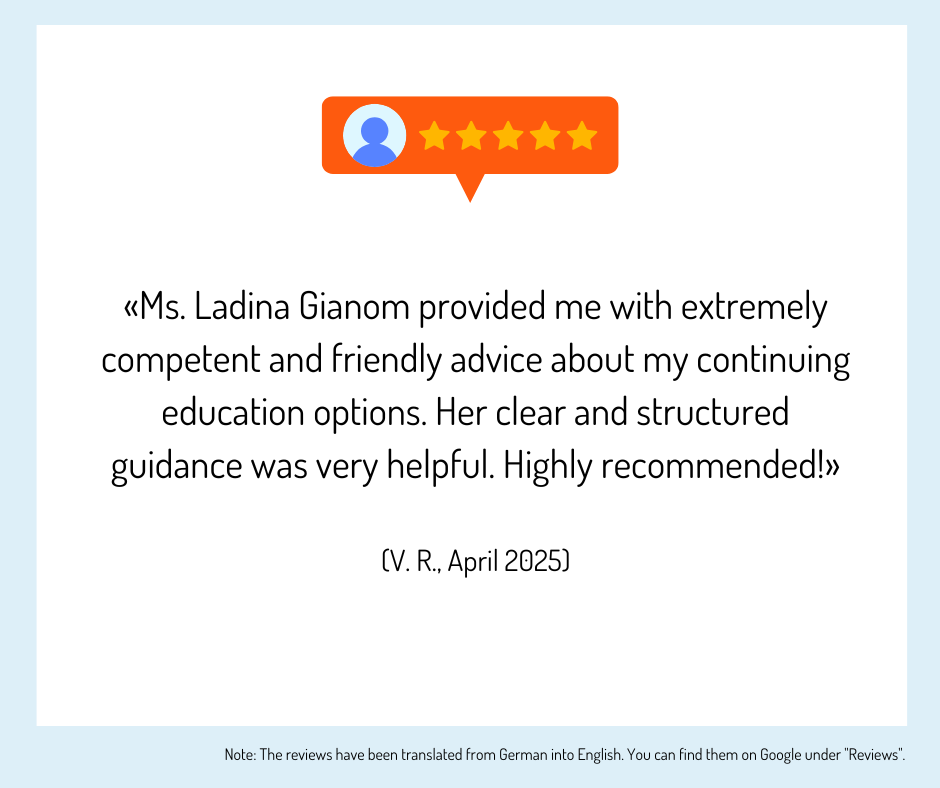
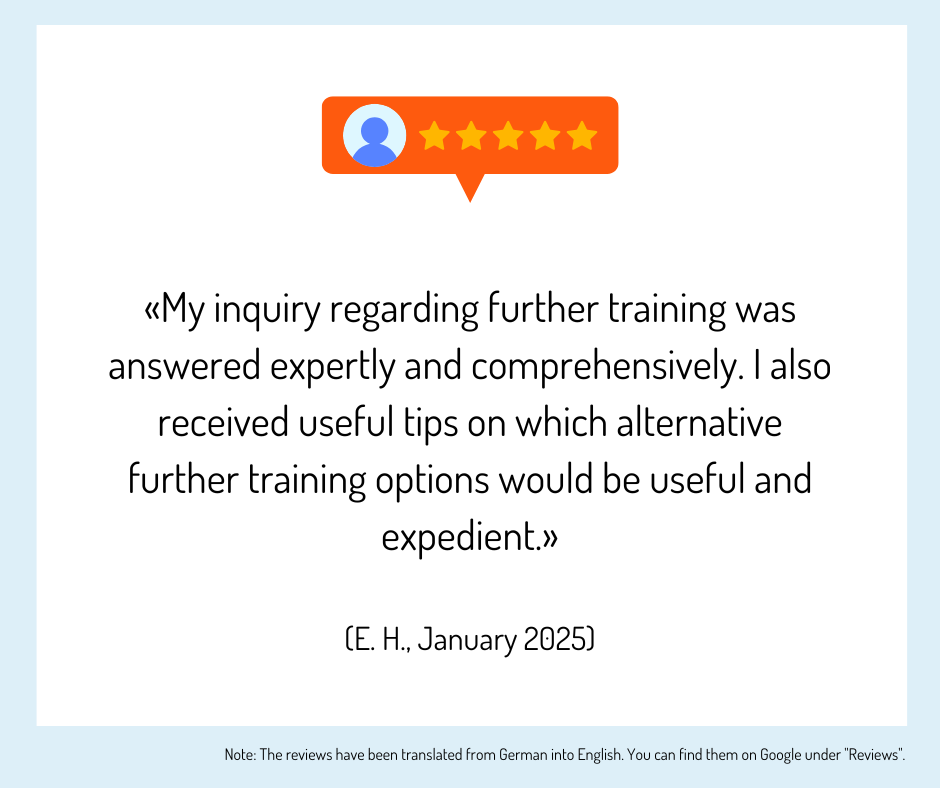
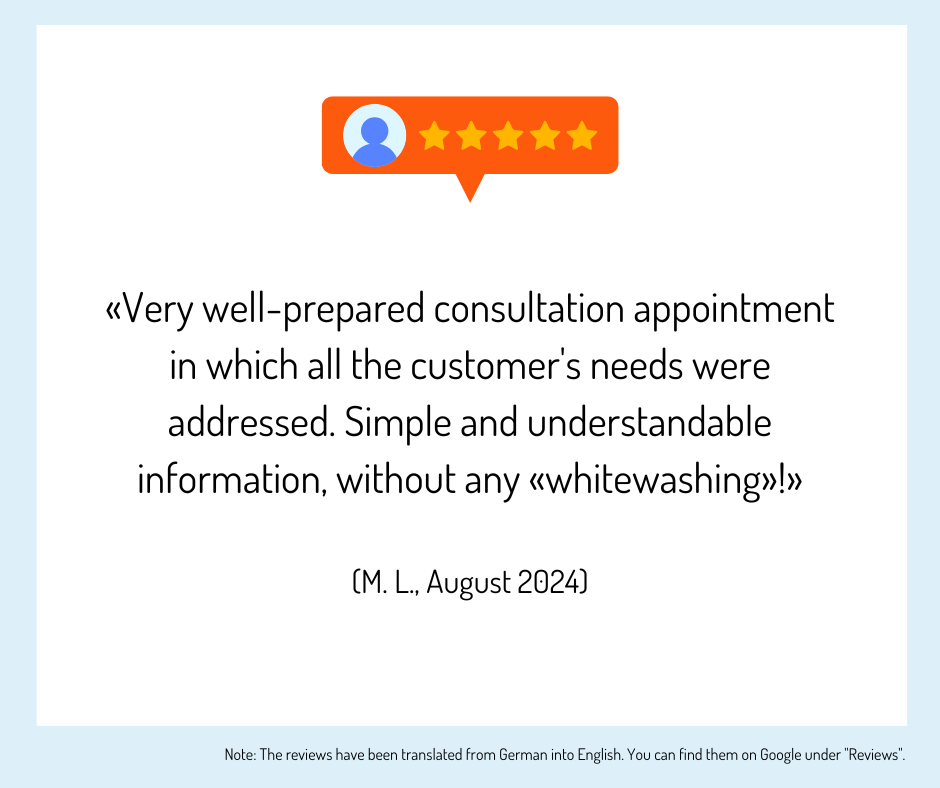
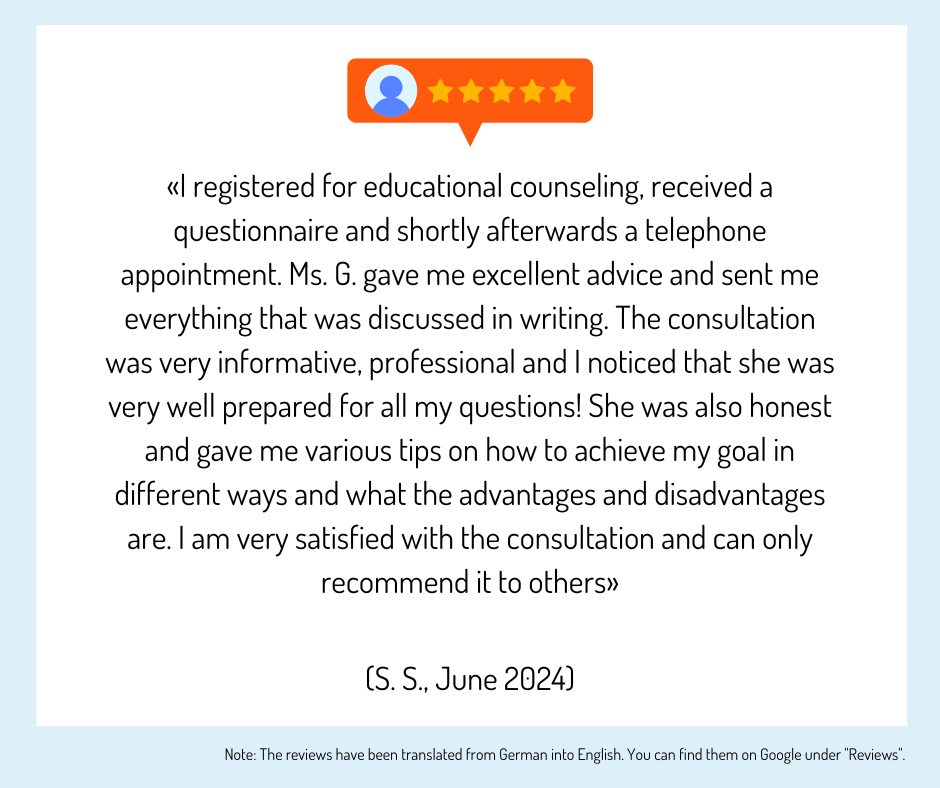
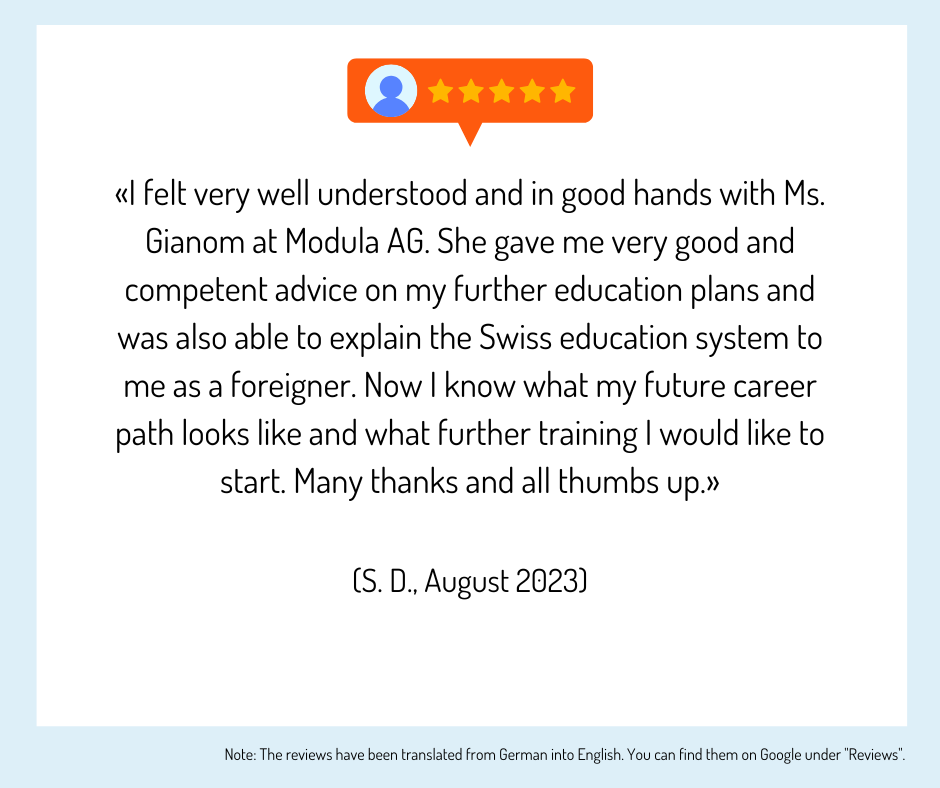
Haven't found the right training or further education yet? Benefit from educational advice now!
Further training is not only important in order to maintain or increase professional attractiveness, investing in training or further training is still the most efficient way to increase the chances of a pay rise.
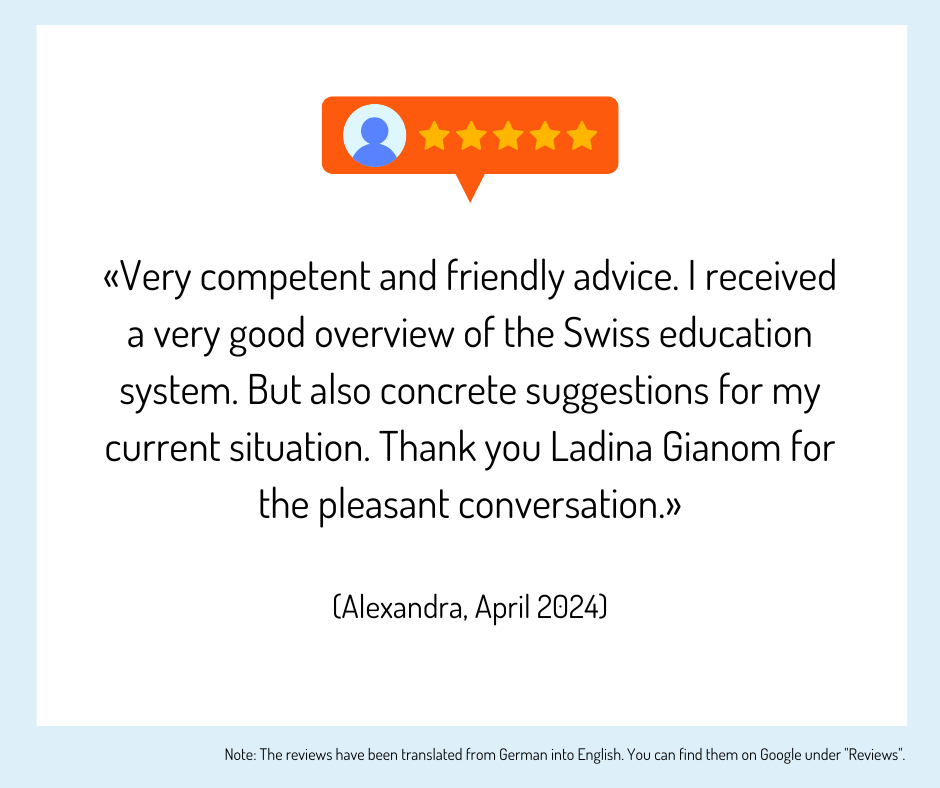
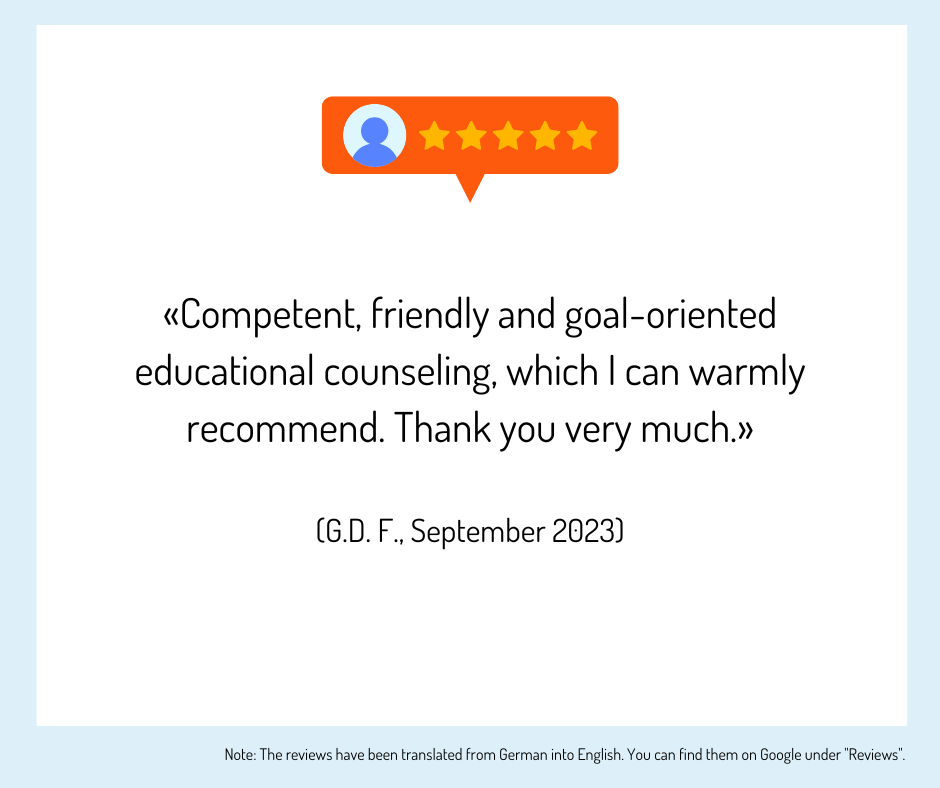
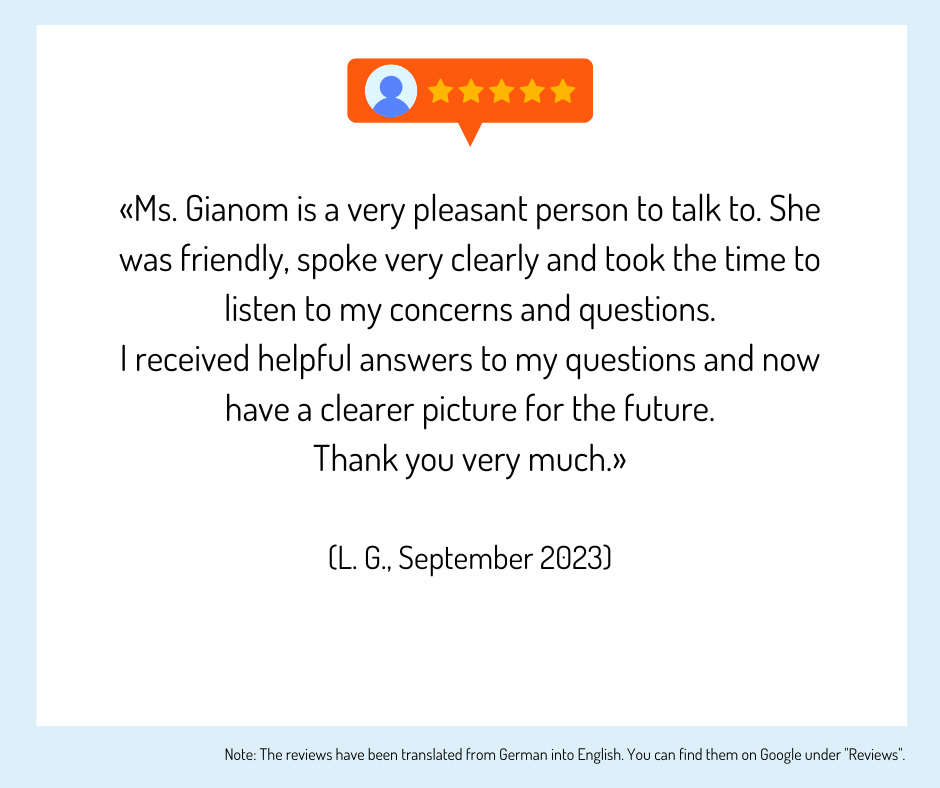
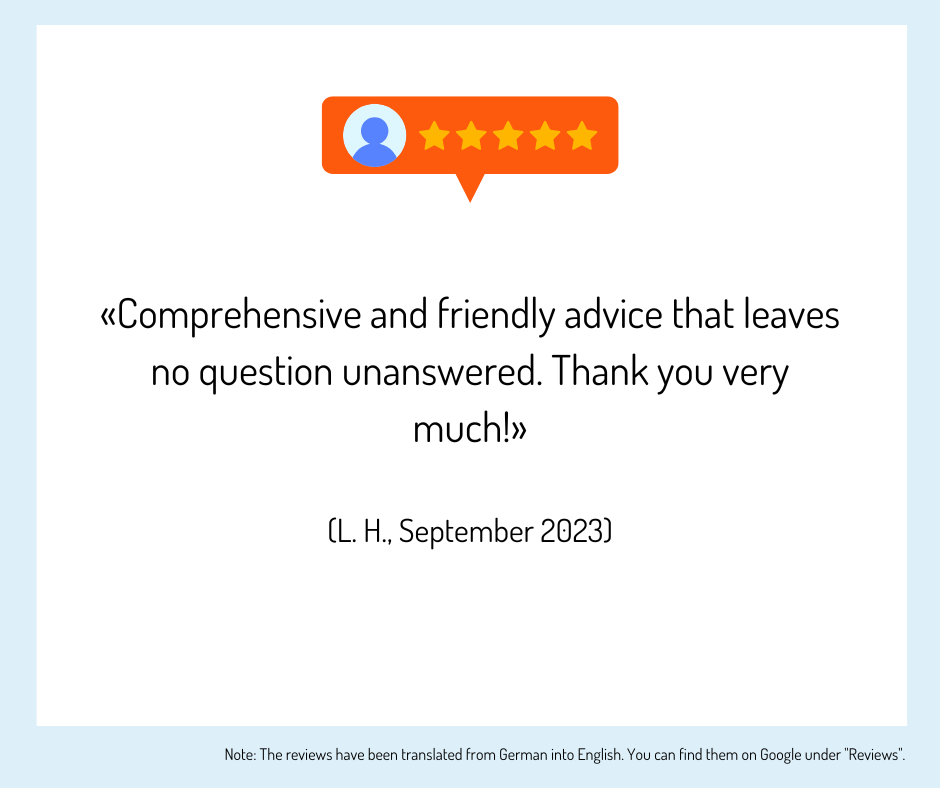
The Swiss education system offers a wide range of individual training and further education opportunities - depending on your personal level of education, professional experience and educational goals.
Choosing the right educational offer is not easy for many prospective students.
Which training and further education is the right one for my path?
Our education advisory team will guide you through the "education jungle", providing specific input and relevant background information to help you choose the right offer.
Your advantages:
You will receive
- Suggestions for suitable courses, seminars or training programs based on the information you provide in the questionnaire
- An overview of the different levels and types of education
- Information about the Swiss education system
We offer our educational counseling in the following languages on request: French, Italian, English
Register now and concretize your training plans.

Attraktive Services für Swisscom Mitarbeitende
Kostenlose Services
» Bildungsberatung (Wert: CHF 150.–)
Bildungs- und Businessratgeber (Wert: CHF 175.–)
» Rabatte
Attraktive Rabattierungen seitens der Bildungsanbieter.
» Massgeschneiderte Bildungsangebote
Ohne grossen Zeitaufwand den besten Trainer, Coach oder Schulungsanbieter finden
Bildungsangebot Schweiz
Aus über 700 Bildungsanbietern das richtige Bildungsangebot finden