


Tips and decision-making aids for choosing an apprenticeship
Questions and answers
What is the advantage of Smart Energy Solutions?
Smart Energy Solutions enable more efficient use of energy and help to reduce costs and emissions.
They combine digital technologies with energy systems to optimally control consumption and production. Smart energy solutions are an important component of a sustainable energy supply.
Typical advantages of Smart Energy Solutions:
- Reduction in energy consumption
- Reduction of costs
- Better use of renewable energies
- Greater transparency in energy consumption
Conclusion:
Smart energy solutions make an important contribution to efficiency and sustainability in the energy system.
Why is Smart Energy Engineering so important?
Smart Energy Engineering deals with the development and optimization of intelligent energy systems.
The focus is on the combination of technology, digitalization and energy supply. The aim is to use energy in a more efficient, sustainable and networked way.
Central contents:
- Integration of renewable energies
- Intelligent control of energy systems
- Digitalization in the energy sector
- Optimization of energy flows
Conclusion:
Smart Energy Engineering is a future-oriented field with high relevance for sustainable energy supply.
What do you learn in a Smart Energy course?
A smart energy course provides in-depth knowledge of modern energy concepts, renewable energy sources and intelligent energy management. The focus is on technologies and strategies that enable the efficient and sustainable use of energy - both in private households and in companies and public infrastructure.
The following topics are typically covered in the course:
- Smart metering: recording and analysis of energy consumption in real time to optimize efficiency and costs.
- Data management: Handling energy data to control and evaluate energy systems.
Mini grids: Decentralized energy supply solutions that can function independently of the central grid. - Sector coupling: Linking the areas of electricity, heat and mobility to improve the use of renewable energies.
- Smart feedback: Feedback systems to promote energy-efficient behavior.
Efficiency and sufficiency measures: Strategies for reducing energy consumption and promoting a more conscious use of energy.
In addition, current energy strategies, technology trends and practical use cases are taught in many courses. The aim is to develop a holistic understanding of smart energy systems and show how they can contribute to the implementation of the energy transition. A smart energy course is suitable for people from technical, planning or energy management fields as well as for anyone who wants to deal with future-oriented energy solutions.
Please note: The exact course content may vary depending on the school or provider. It is recommended that you contact the relevant educational institution directly to find out about the specific course content. The question can be forwarded directly to the desired school using our contact form
What is a smart energy meter?
A smart energy meter is an intelligent electricity meter that digitally records and transmits energy consumption.
It enables precise analysis of consumption and supports more efficient energy use. Smart energy meters are an important component of modern energy systems.
Typical functions:
- Digital measurement of energy consumption
- Transmission of data in real time
- Transparency about consumption
- Support with energy optimization
Conclusion:
Smart energy meters create the basis for efficient energy management.
Why do I need a Smart Energy hot water controller?
A Smart Energy hot water controller controls hot water heating efficiently and saves energy.
The system adjusts the heating of the water to the actual demand and makes use of periods with cheap or renewable energy, for example. This optimizes energy consumption.
Typical functions:
- Demand-based control of hot water production
- Use of surplus energy (e.g. solar power)
- Reduction of energy costs
- Automated control
Conclusion:
The controller helps to use energy efficiently and reduce costs.
What is behind RobecoSAM Smart Energy Fund?
The RobecoSAM Smart Energy Fund is an investment fund that invests in companies in the sustainable energy sector.
The focus is on companies that develop innovative solutions for energy efficiency and renewable energies. Such funds promote the energy transition and sustainable technologies.
Typical investment areas:
- renewable energies
- Energy efficiency
- Smart grids
- sustainable technologies
Conclusion:
The fund combines financial investments with sustainable energy goals.
Why do we need Smart Energy Control?
Smart Energy Control enables intelligent control of energy consumption and production.
Digital systems can optimize energy flows and reduce costs. Smart energy control is particularly important when integrating renewable energies.
Typical advantages:
- Efficient control of energy consumption
- Integration of renewable energies
- Cost optimization
- Increased transparency
Conclusion:
Smart energy control is central to modern and sustainable energy systems.

 Error found? -
 Experiences, evaluations and opinions on training / further education
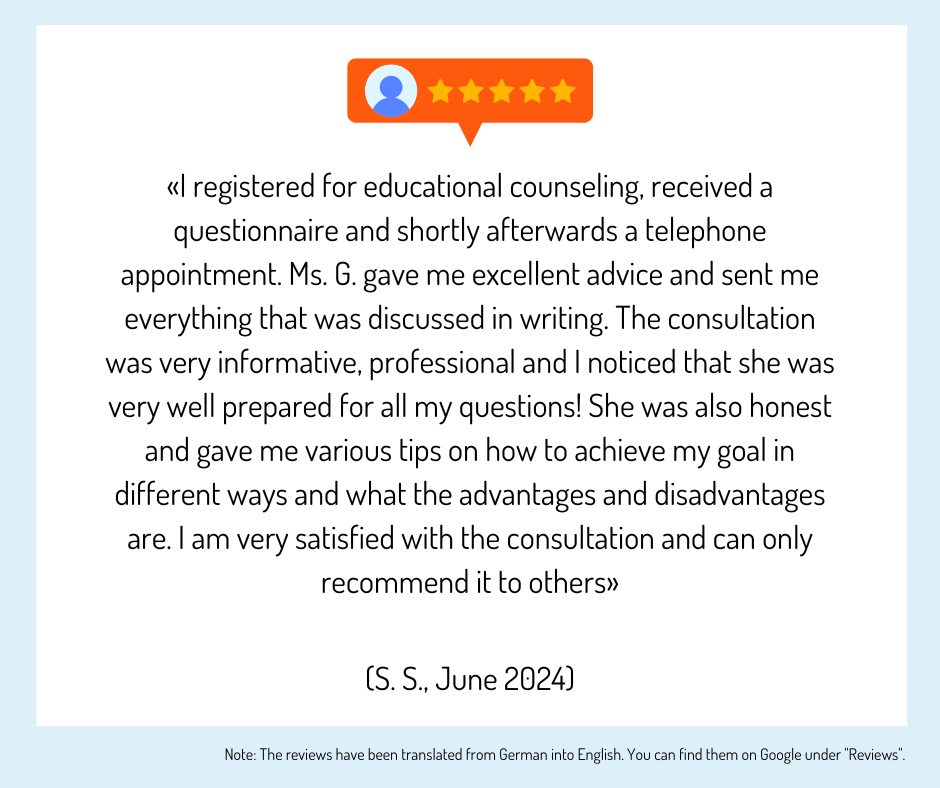
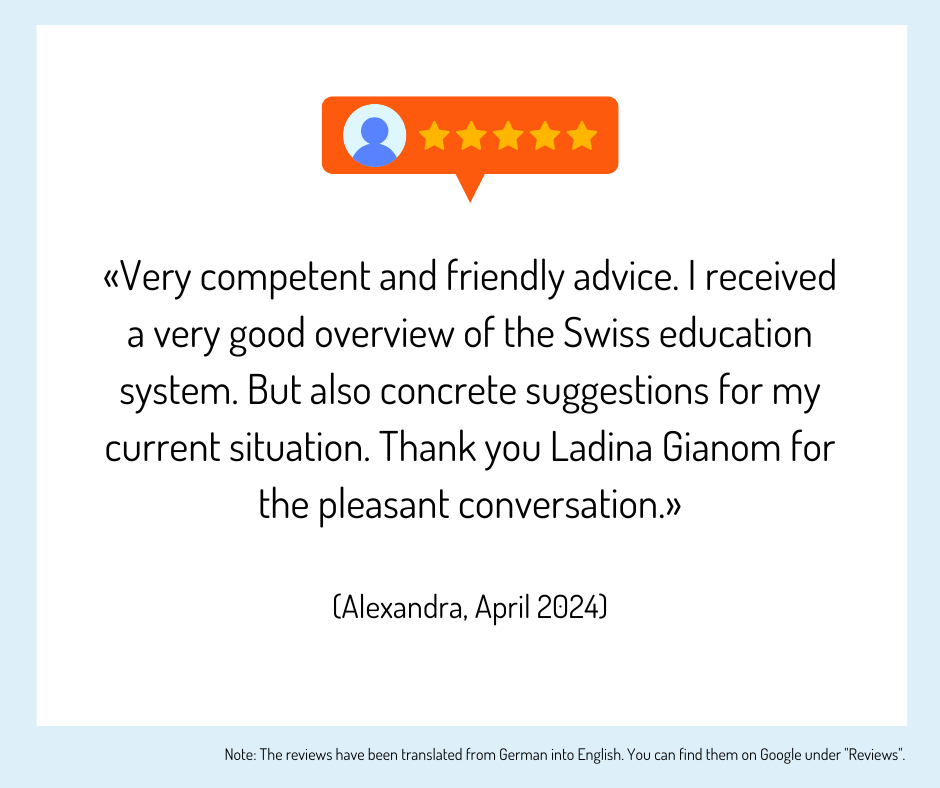
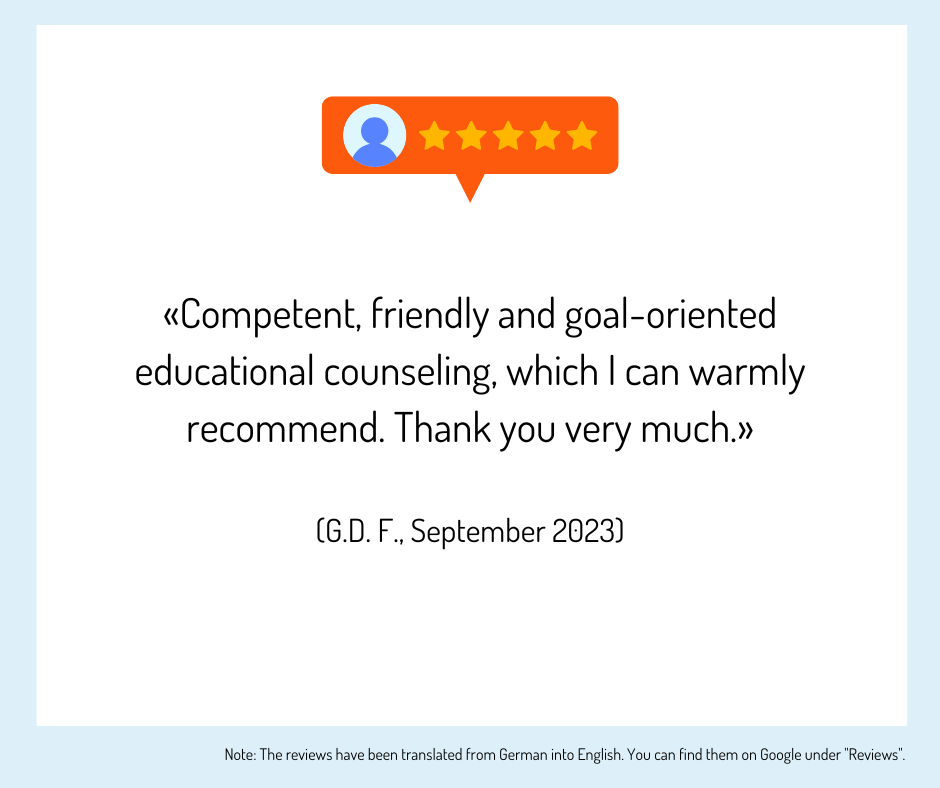
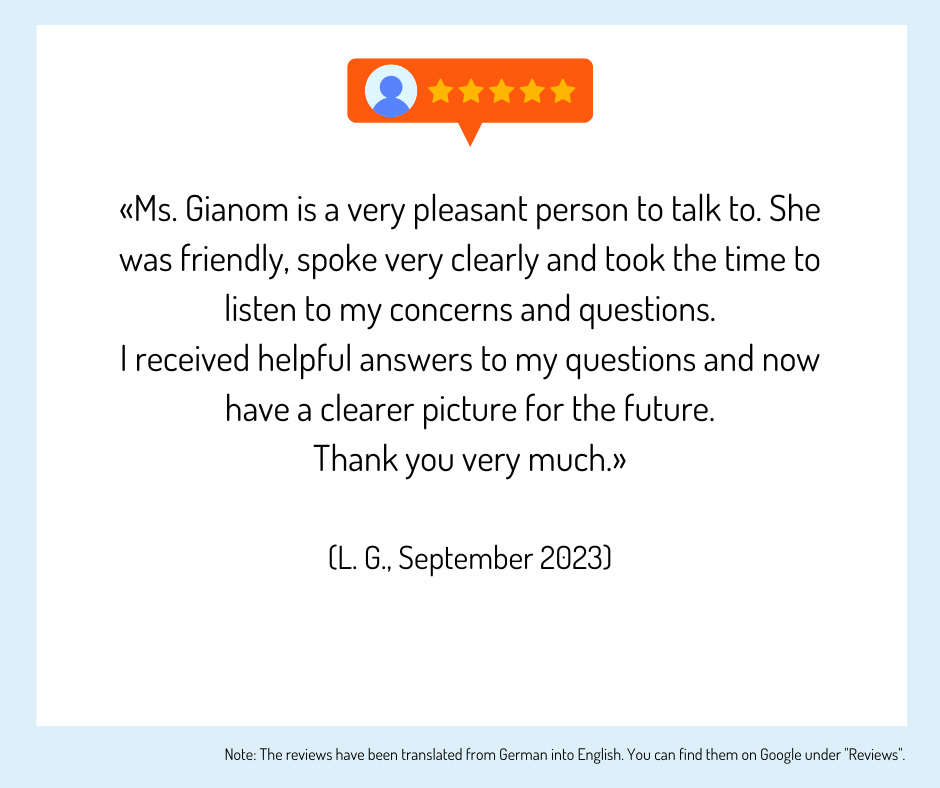
Haven't found the right training or further education yet? Benefit from educational advice now!
Further training is not only important in order to maintain or increase professional attractiveness, investing in training or further training is still the most efficient way to increase the chances of a pay rise.
The Swiss education system offers a wide range of individual training and further education opportunities - depending on your personal level of education, professional experience and educational goals.
Choosing the right educational offer is not easy for many prospective students.
Which training and further education is the right one for my path?
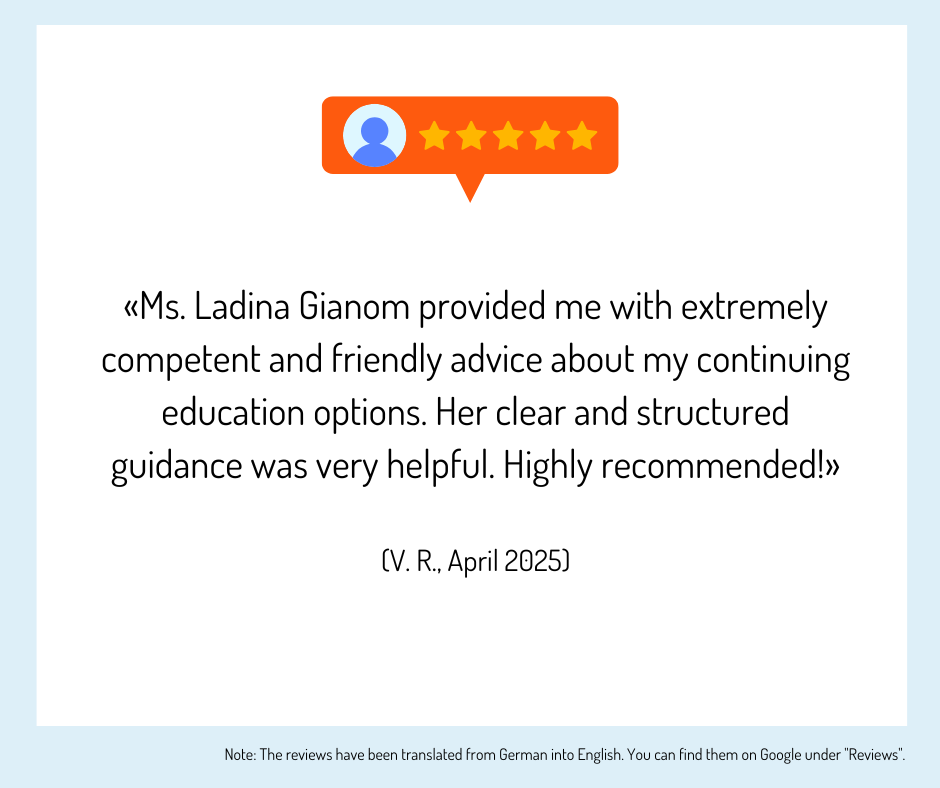
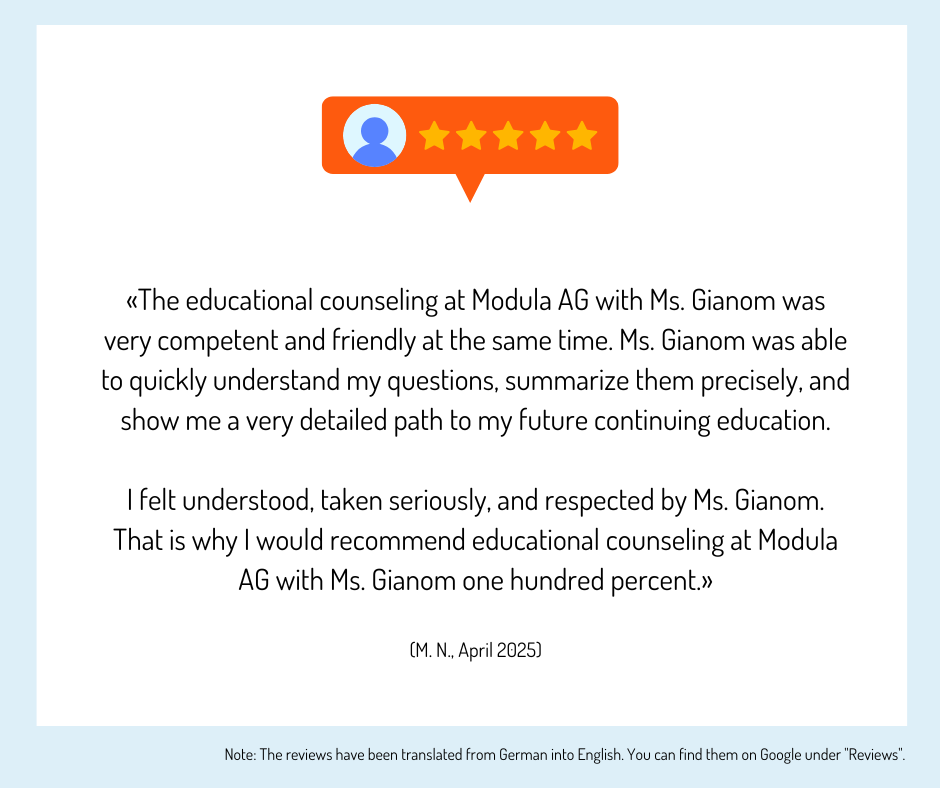
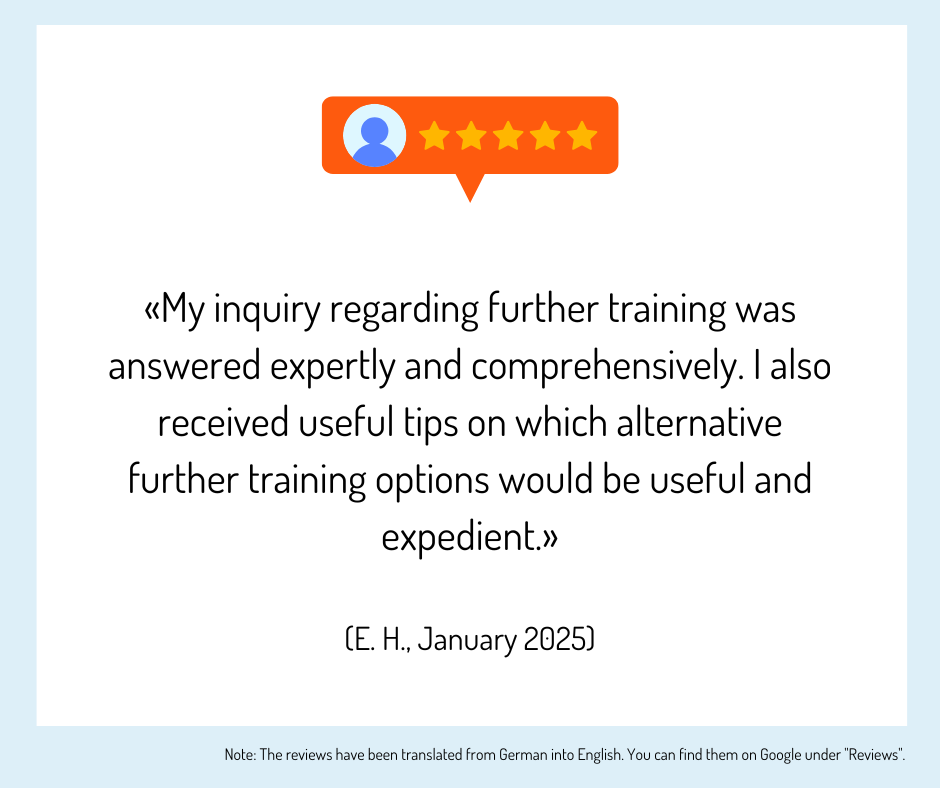
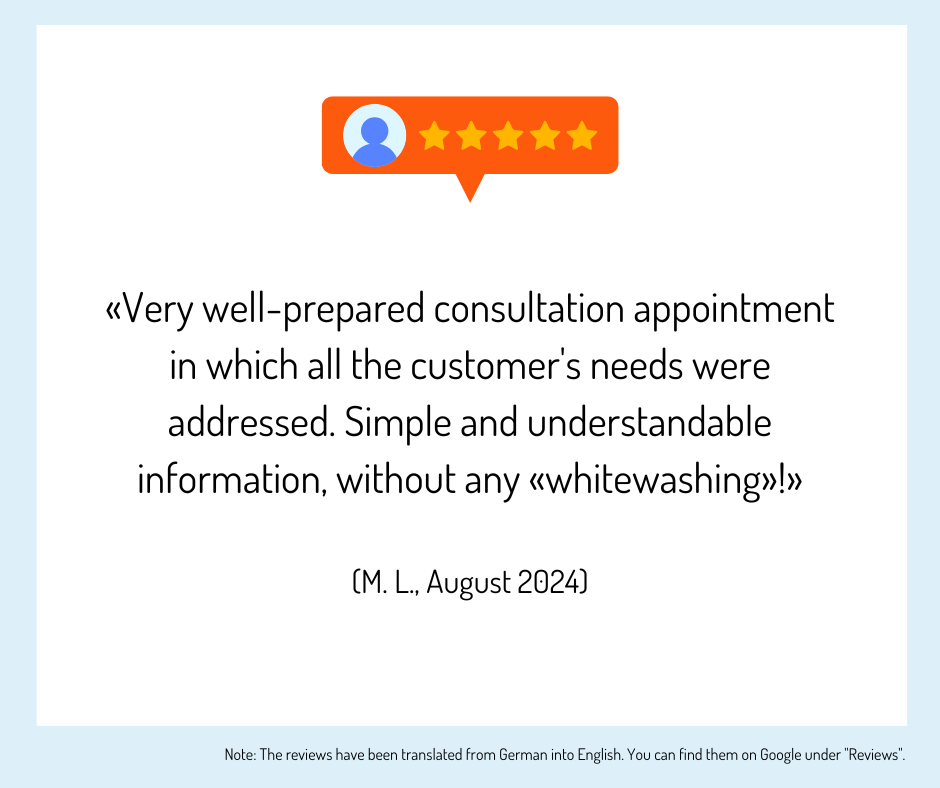
Our education advisory team will guide you through the "education jungle", providing specific input and relevant background information to help you choose the right offer.
Your advantages:
You will receive
- Suggestions for suitable courses, seminars or training programs based on the information you provide in the questionnaire
- An overview of the different levels and types of education
- Information about the Swiss education system
We offer our educational counseling in the following languages on request: French, Italian, English
Register now and concretize your training plans.
Immediately to the right training
Technikumstr. 9
8401 Winterthur

 Download info
Schools with certified educational counseling

Attraktive Services für Swisscom Mitarbeitende
Kostenlose Services
» Bildungsberatung (Wert: CHF 150.–)
Bildungs- und Businessratgeber (Wert: CHF 175.–)
» Rabatte
Attraktive Rabattierungen seitens der Bildungsanbieter.
» Massgeschneiderte Bildungsangebote
Ohne grossen Zeitaufwand den besten Trainer, Coach oder Schulungsanbieter finden
Bildungsangebot Schweiz
Aus über 700 Bildungsanbietern das richtige Bildungsangebot finden