Leader of ceremonies / funeral orator / funeral orator (certified) (Region Zentralschweiz):
5 Provider


Immediately to the right training
Brunnenstrasse 6
8575 Bürglen TG
 Strengths:
Recognized training courses with a quality guarantee: Coaching / Psychology / Healing / Bereavement & Grief Counselling / Soul & Spirit / Constellations / Ritual Counselling / Meditation / Mediality


Tutensee 2
6122 Menznau
 Download info
Felsenegg 92
6023 Rothenburg
Download info
Zugerstrasse 8a
6314 Unterägeri
Download info
Brunnenstrasse 6
8575 Bürglen
Strengths:
Inspiring locations in Switzerland and abroad! Come experience for yourself how a comfortable atmosphere can positively impact your learning experience.
Download info
Schools with certified educational counseling

Questions and answers
Can anyone become a wedding officiant?
Yes, in principle, anyone can become a wedding officiant. In Switzerland, there is no legally required professional training for this role, nor are there any standardized eligibility requirements. That’s why many training programs are also suitable for people changing careers.
The following are particularly important for working as a wedding officiant:
- Enjoy working with people: You should enjoy working with people of different personalities and responding to their individual needs.
- Verbal Skills: A personal wedding speech requires the ability to express oneself clearly and a good feel for language.
- Public Speaking Skills: You should be able to speak confidently and authentically in front of an audience.
- Empathy: To incorporate a couple's story into a ceremony, it's important to be a good listener and to show understanding.
- Creativity and Organization: You develop personalized routines and appropriate rituals, and you keep everything under control even when unexpected situations arise.
A wedding officiant training program will teach you the technical and practical fundamentals you need to professionally guide couples through the planning and execution of their non-religious wedding ceremony. If you enjoy working with people and have a passion for writing and speaking, you already possess important personal qualities for this role.
What does it take to become a wedding officiant?
If you want to become a wedding officiant, you can complete a specialized training program for wedding officiants to gain the knowledge needed to conduct non-religious wedding ceremonies. Many providers do not require any specific prior professional training. However, the exact admission requirements vary by school.
In a wedding officiant training program, you'll learn, among other things:
- Conducting the Consultation: Listening to a couple’s wishes and personal stories and using them to develop a suitable ceremony concept.
- Speech Writing: Crafting unique, authentic, and personal wedding speeches.
- Rhetoric and Storytelling: Telling Stories Effectively and Finding the Right Words.
- Public Speaking Skills: Speaking confidently in front of an audience and skillfully hosting a ceremony.
- Rituals and Planning the Ceremony: Select appropriate rituals and plan the order of events for the non-religious wedding ceremony.
Depending on the provider, the courses last several days or extend over a few weeks or months. Some can be taken while working or online. Upon successful completion, you will generally receive a certificate from the educational provider. This is not equivalent to a federally recognized vocational degree. Practical experience, a compelling job application, and targeted self-promotion are also important for entering the workforce. Some schools support graduates in this process through coaching or mentoring.
How much can you earn after completing wedding officiant training?
After completing wedding officiant training, you can use a fee of approximately CHF 1,800 to 3,000 per assignment as a rough guideline for a non-religious wedding ceremony. How much you actually earn depends on your experience, the services you offer, your market positioning, and the number of assignments you take on. Many wedding officiants work as freelancers or part-time and negotiate a customized fee with each couple.
Various services and costs play a role in pricing:
- Preliminary Consultations: Meetings with the couple to learn about their wishes, expectations, and shared history.
- Preparation: Developing the ceremony concept and planning the program.
- Speech: Research, writing, and finalizing your personal wedding speech.
- Conduct: Facilitating and organizing the actual wedding ceremony.
- Additional services: Depending on the package, these may include, for example, additional counseling sessions or the coordination of special rituals.
The agreed-upon fee is not the same as personal income. Among other things, it must cover preparation time, administrative costs, marketing, insurance, and other operating expenses. In addition, the volume of work can fluctuate seasonally. If you’re completing wedding officiant training and plan to work independently later on, you should therefore also consider the business side of things and calculate a realistic fee.
Is being a wedding speaker a profession?
Yes, being a wedding officiant is a profession that you can practice as a self-employed individual, as a side job, or—depending on employment opportunities—as part of an organization. In Switzerland, however, it is not a federally regulated profession with a protected title or a uniformly prescribed educational qualification. Consequently, the training programs and the names of the certificates vary widely.
Anyone who wants to work as a wedding officiant should consider other responsibilities in addition to planning ceremonies:
- Customer Acquisition: Attract couples to your services and handle inquiries.
- Counseling and Initial Consultations: Clarifying expectations and getting to know the couple's personal history.
- Ceremony Planning: Writing speeches, developing rituals, and planning the program.
- Marketing and Positioning: Presenting your offerings professionally and setting yourself apart from other providers.
- Administration: Preparing quotes, coordinating schedules, and organizing orders.
A practical wedding officiant training program should therefore, if possible, also cover topics such as marketing, positioning, and self-employment. If you want to build your own business, practical experience, a compelling service offering, and a realistic business plan are crucial—in addition to technical knowledge.
Tips, Tests, and Information on “Certified Ceremony Officiant / Wedding Officiant / Funeral Officiant”

 Error found? -

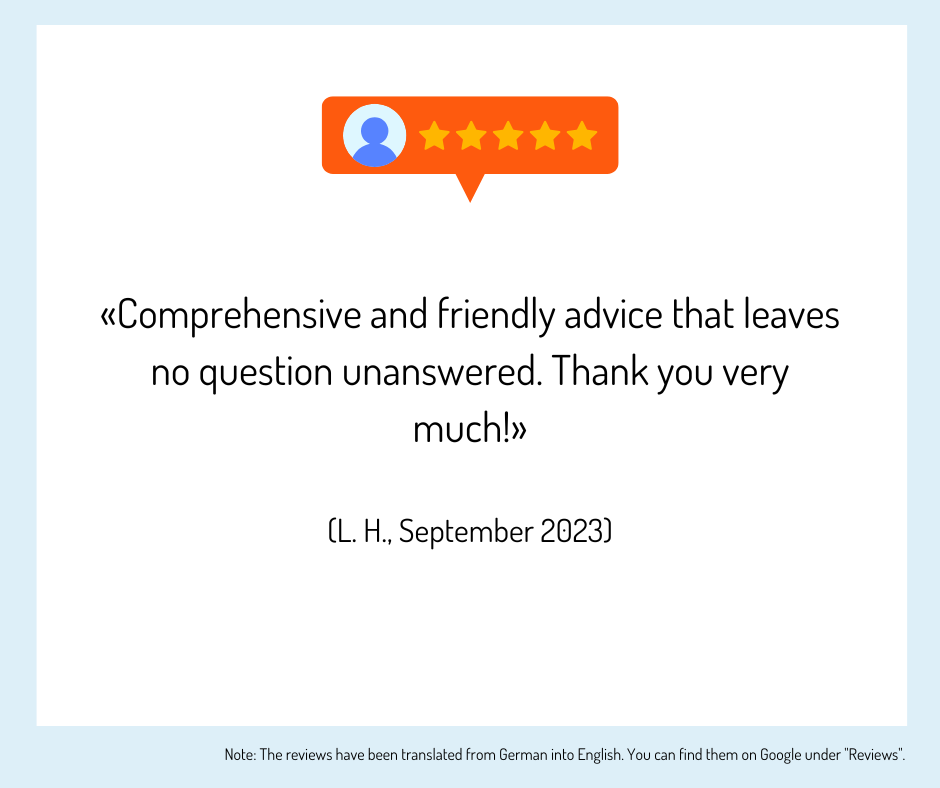
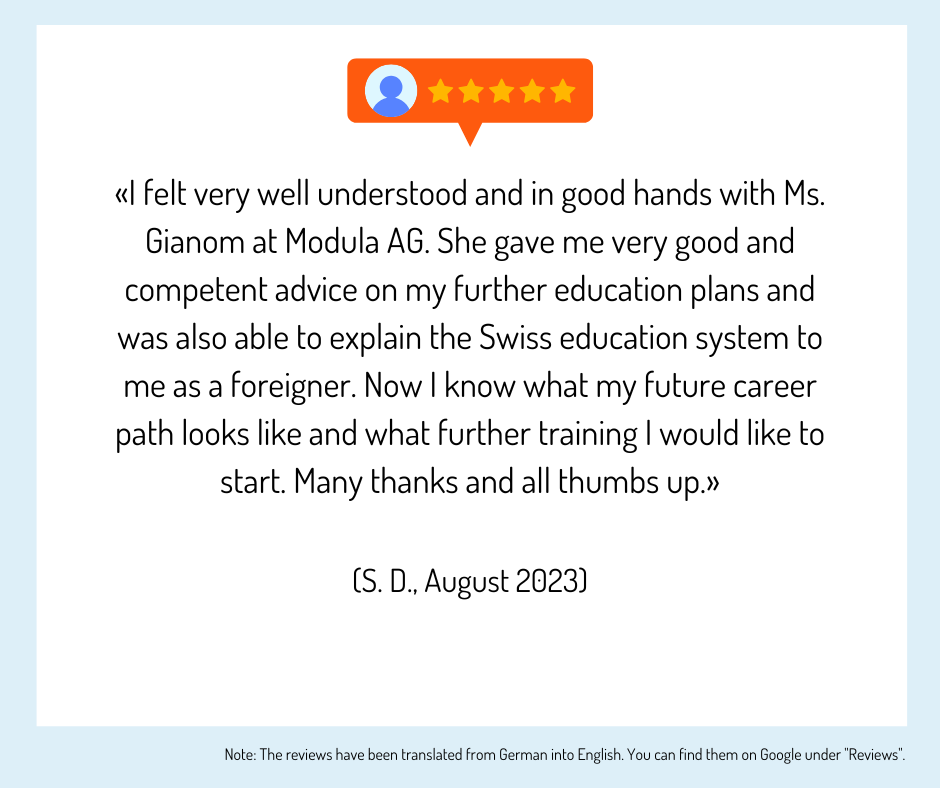
Experiences, evaluations and opinions on training / further education
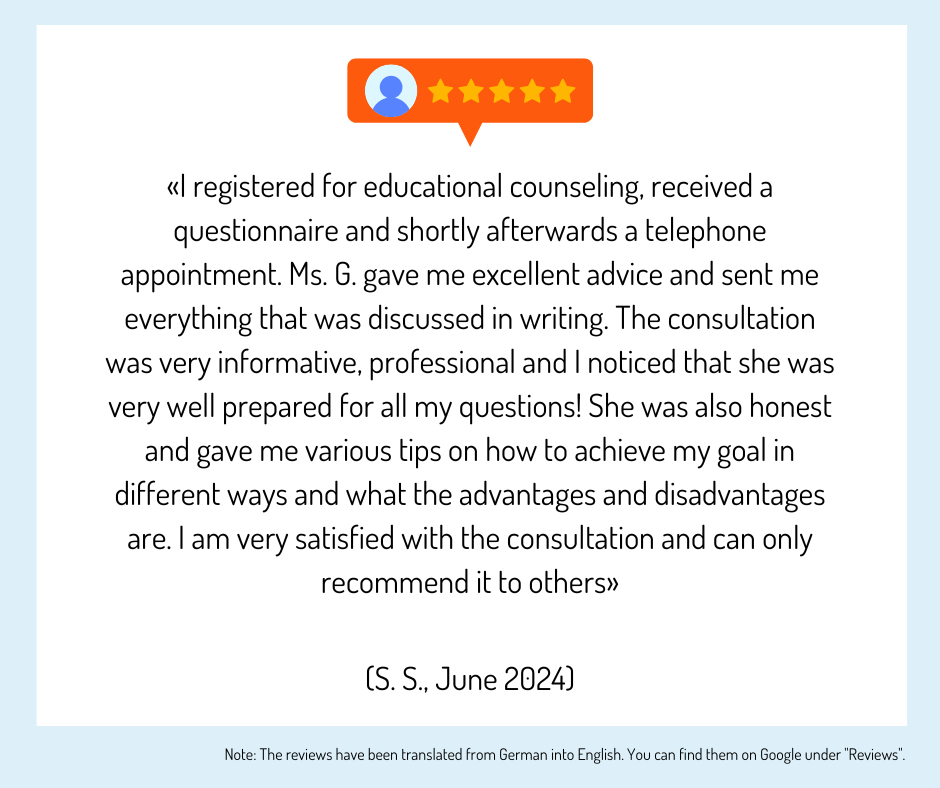
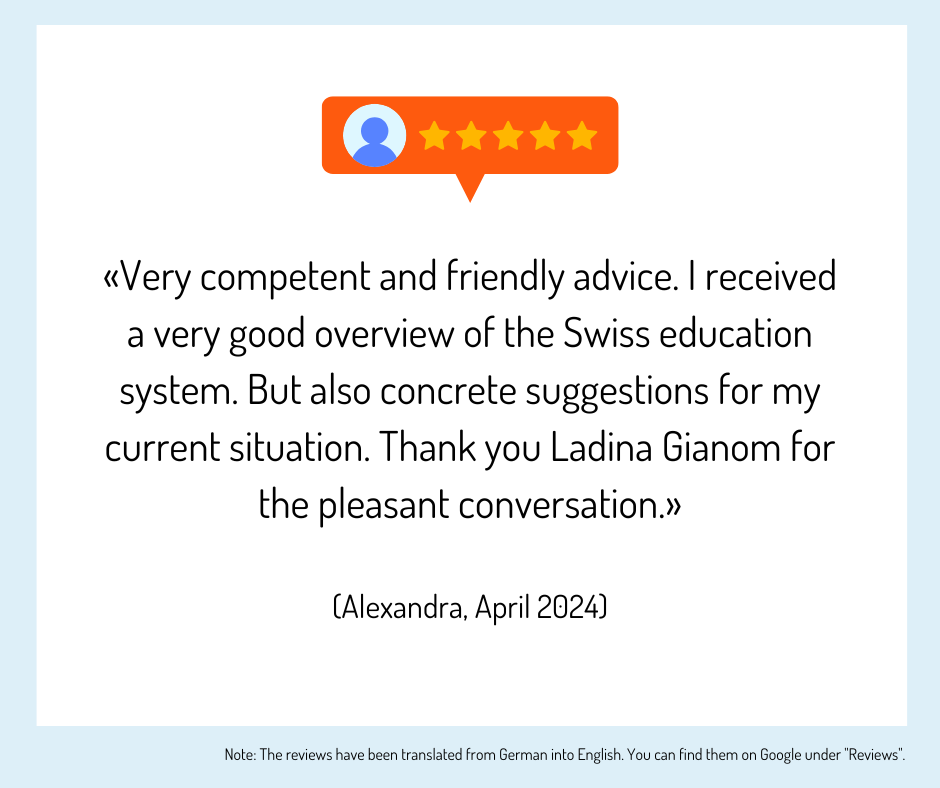
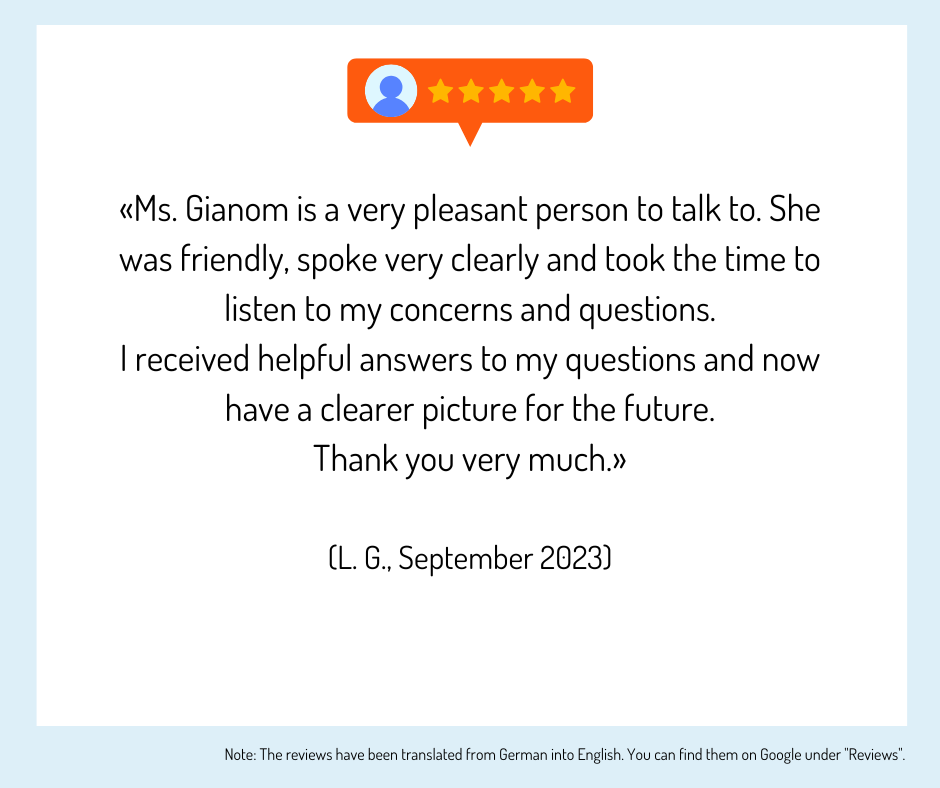
Haven't found the right training or further education yet? Benefit from educational advice now!
Further training is not only important in order to maintain or increase professional attractiveness, investing in training or further training is still the most efficient way to increase the chances of a pay rise.
The Swiss education system offers a wide range of individual training and further education opportunities - depending on your personal level of education, professional experience and educational goals.
Choosing the right educational offer is not easy for many prospective students.
Which training and further education is the right one for my path?
Our education advisory team will guide you through the "education jungle", providing specific input and relevant background information to help you choose the right offer.
Your advantages:
You will receive
- Suggestions for suitable courses, seminars or training programs based on the information you provide in the questionnaire
- An overview of the different levels and types of education
- Information about the Swiss education system
We offer our educational counseling in the following languages on request: French, Italian, English
Register now and concretize your training plans.
Attraktive Services für Swisscom Mitarbeitende
Kostenlose Services
» Bildungsberatung (Wert: CHF 150.–)
Bildungs- und Businessratgeber (Wert: CHF 175.–)
» Rabatte
Attraktive Rabattierungen seitens der Bildungsanbieter.
» Massgeschneiderte Bildungsangebote
Ohne grossen Zeitaufwand den besten Trainer, Coach oder Schulungsanbieter finden
Bildungsangebot Schweiz
Aus über 700 Bildungsanbietern das richtige Bildungsangebot finden

