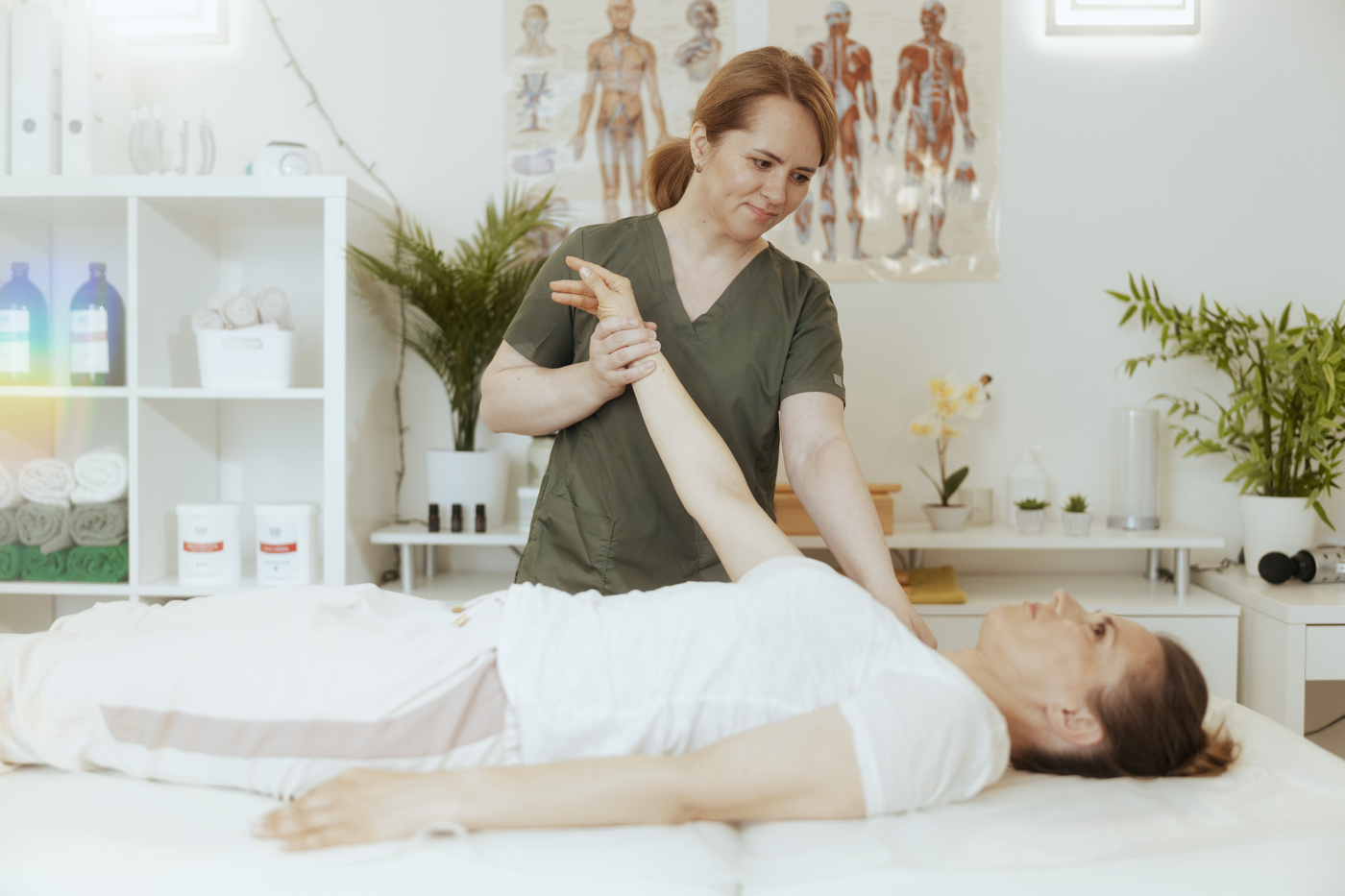
Complementary therapist: What does everyday working life look like?
There are many, veryVarious complementary therapy methods. This includes all forms of treatment that are offered in addition to (and sometimes in contrast to) conventional medicine. The methods can be as varied as theActivitieslook like. Perhaps you would like to offer your mediumistic skills as a radiesthesist (commuter) or spiritual healer in your free time and free of charge, perhaps you would like to become self-employed with your own kinesiology practice or work as a yoga therapist in a rehabilitation clinic. Many things are possible here - not everything with all methods.
Depending on the method, specific means are usedFor example, with the hands using touch or massages, sensory with sounds or olfactory impulses, with heat or cold (e.g. in the form of wraps), mentally medially, with the help of movement sequences, etc. Complementary therapists work with individuals and groups. Some methods have standardized treatment sequences that extend over 6 to 10 sessions, while other methods regard each session as a self-contained unit.
Treatment procedure:
At the beginning, the therapist clarifies the current topic, wishes and needs with the client. The treatment is then discussed. Depending on the method, this can take place standing, sitting or lying down. In most cases, the whole body is treated, which usually remains clothed. The therapy can be accompanied verbally or take place in silence. In some methods, the therapist instructs the client to perform certain movements, to be aware of the body and to pay attention to changes. In other methods, the therapist uses gentle pressure and massage techniques to balance the energy flows of the meridians, release blockages and tension points or realign the skeleton with micro-movements and loosen stuck fascia strands. The aim of each method is to stimulate self-healing processes on a physical, mental and spiritual level and to help harmonize the body's energies.
Many people who work in complementary therapy have aown practiceor work in aJoint practiceThey also take care of administration, correspondence, appointments, advertising, bookkeeping, etc. Doctors or other healthcare professionals often expand their specialist knowledge with complementary therapy methods and incorporate them into their conventional medical practice.